
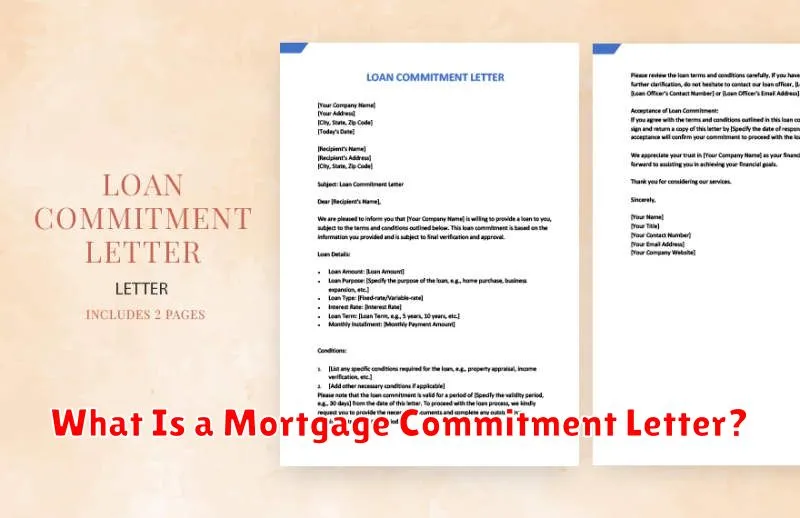
Securing a mortgage can be a complex process, filled with paperwork and uncertainty. One crucial document that signifies a significant step forward in your home-buying journey is the mortgage commitment letter. This letter, issued by a lender, is a formal commitment to lend you a specific amount of money to purchase a property, under pre-defined terms and conditions. Understanding what a mortgage commitment letter entails is essential for both prospective homebuyers and those already navigating the mortgage application process. It provides assurance and clarity, making the process less daunting.
This article will delve into the intricacies of a mortgage commitment letter, exploring its key components, what it means for your home purchase, and how it differs from pre-approval. We will also discuss the importance of reviewing the terms carefully and understanding potential implications. Gaining a comprehensive understanding of this crucial document empowers you to navigate the real estate market with confidence and make informed decisions, leading you closer to securing your dream home. Learn what factors affect obtaining a commitment letter, and what to expect throughout the process.
Where It Fits in the Home Buying Process
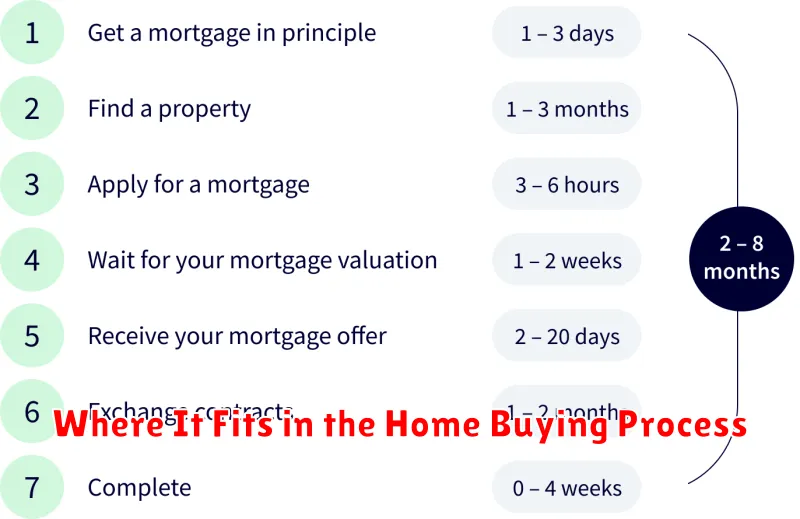
A mortgage commitment letter, also known as a loan commitment, is a crucial document in the home-buying process. It typically arrives after you’ve completed a significant portion of the process, signifying a major step forward.
The timing varies slightly depending on the lender and the complexity of your loan application, but generally, you’ll receive it after you’ve successfully:
- Submitted your loan application: This includes providing all necessary financial documentation, such as pay stubs, tax returns, and bank statements.
- Undergone underwriting: The lender will verify the information you provided and assess your creditworthiness and ability to repay the loan.
- Appraisal completed: The lender will order an independent appraisal to determine the fair market value of the property you want to purchase. This is essential to ensure the property’s value justifies the loan amount.
Once issued, the mortgage commitment letter indicates the lender’s conditional approval to lend you the necessary funds to purchase your home. It outlines the key terms of the loan, including the interest rate, loan amount, and any conditions that must be met before the loan is finalized.
Receiving this letter is a positive sign that you’re on track to purchase your home. However, it’s important to remember that it’s still a conditional approval. There are still steps remaining before the final loan closing, such as the successful completion of the home inspection and title search.
Following the receipt of your mortgage commitment letter, you’ll usually proceed with finalizing the purchase agreement and preparing for closing. This often involves working closely with your real estate agent, lender, and closing attorney to ensure a smooth and timely transaction.
What Information Is Included
A mortgage commitment letter, also known as a loan commitment, contains crucial details regarding the terms of your mortgage loan. It serves as a formal confirmation from the lender that they are prepared to offer you a loan under the specified conditions.
The letter will clearly state the loan amount the lender is willing to provide. This is the maximum amount you can borrow for your property purchase. It will also specify the interest rate, which will be fixed or adjustable depending on the type of mortgage you’ve chosen. This rate significantly impacts your monthly payments.
You’ll find details about the loan term, which dictates the length of time you have to repay the loan (e.g., 15 years, 30 years). The letter will include information on the closing costs, which are various fees associated with finalizing the loan. These costs can vary considerably, so understanding them beforehand is essential.
Furthermore, the commitment letter usually outlines the monthly payment amount, which incorporates principal, interest, taxes, and insurance (often abbreviated as PITI). It may also list any conditions that must be met before the loan is finalized, such as a satisfactory appraisal of the property or confirmation of your employment and income.
The letter will include the date of issuance and specify a timeframe within which the commitment is valid. This timeframe grants you sufficient time to complete the necessary steps to finalize the purchase and secure your mortgage.
Finally, the commitment letter will typically contain the contact information of the loan officer or point of contact for any questions or clarifications you might have.
Conditional vs Final Commitment Letters
A mortgage commitment letter, also known as a loan commitment, is a crucial document in the home-buying process. It signifies the lender’s intention to provide a mortgage loan under specific conditions. However, there are two main types: conditional and final commitment letters, each with distinct characteristics.
A conditional commitment letter is issued after the lender has reviewed your initial application and found your profile generally acceptable. This letter outlines the loan terms, including the interest rate, loan amount, and repayment schedule, but it’s contingent upon the fulfillment of specific conditions. These conditions typically include things like a satisfactory appraisal of the property, verification of employment and income, and a clear title report. Essentially, the lender is saying “we’re likely to lend you the money, provided you meet these requirements.”
In contrast, a final commitment letter represents a more advanced stage in the mortgage process. It confirms that all the conditions outlined in the conditional commitment letter have been met. The lender has verified all necessary documentation, and the loan is now formally approved, barring any unforeseen circumstances. This letter provides the borrower with the assurance that they will receive the loan under the agreed-upon terms, solidifying the deal before closing.
The key difference lies in the certainty. A conditional commitment letter indicates a potential loan, while a final commitment letter signifies a definite loan, subject only to the standard closing procedures. Understanding this distinction is crucial for both buyers and sellers, as it dictates the timeline and certainty of the transaction.
How to Read and Verify the Terms
A mortgage commitment letter is a legally binding document, so carefully reviewing its terms is crucial. Understanding the specifics will prevent future misunderstandings and potential problems.
Begin by identifying the key terms. These typically include the loan amount, the interest rate (including whether it’s fixed or adjustable), and the loan term (the length of the loan, usually in years).
Pay close attention to the closing costs. This section outlines all the fees associated with the loan process, such as appraisal fees, title insurance, and lender fees. Carefully compare these costs to those quoted initially to ensure accuracy and avoid unexpected charges.
Verify the property address and loan type match your expectations. Ensure the stated property information accurately reflects the subject property.
Scrutinize the sections detailing conditions for the loan. These conditions, which must be fulfilled before the loan is finalized, may include requirements for property insurance, homeowner’s insurance, or a satisfactory appraisal. Failing to meet these conditions could jeopardize the loan.
Examine any contingencies. These are events or conditions that could void the commitment. For example, a contingency might state that the commitment is void if the borrower’s credit score falls below a certain threshold before closing.
Don’t hesitate to seek professional advice. If any terms are unclear or you are uncertain about any aspect of the commitment letter, it’s advisable to consult with a real estate attorney or a financial advisor. They can help you fully understand the implications of the document before you proceed.
What Happens After You Receive It
After receiving your mortgage commitment letter, several crucial steps follow. This letter is not a guarantee of a loan, but rather a strong indication that the lender is prepared to provide the financing, subject to certain conditions.
First, you’ll need to carefully review the terms and conditions outlined in the letter. This includes confirming the loan amount, interest rate, loan term, and closing costs. Any discrepancies or questions should be immediately addressed with your lender.
Next, you’ll likely need to provide additional documentation. This might include updated financial statements, proof of insurance, or clarification on specific aspects of your application. The lender will use this information to finalize the loan process.
Following the review of your documents, the lender will conduct a final appraisal of the property. This independent evaluation will confirm the property’s value and ensure it aligns with the loan amount. The appraisal process is a vital component in obtaining your mortgage.
Once all conditions are met and the appraisal is satisfactory, the lender will issue a final loan approval. You will then proceed to schedule your closing, where you’ll formally sign all necessary documents and complete the purchase of your property. It is important to remember that the commitment letter is only valid for a limited time; usually 60-90 days.
During this entire post-commitment period, maintaining open communication with your lender is essential. Promptly addressing any requests or questions will help ensure a smooth and efficient closing process. Remember to carefully review all documents before signing to avoid any unexpected surprises.
When a Commitment Letter Can Be Withdrawn
A mortgage commitment letter, while a significant step in the home-buying process, is not an absolute guarantee of a loan. Lenders retain the right to withdraw their commitment under certain circumstances. These circumstances are typically outlined within the letter itself, but generally fall under specific categories.
One common reason for withdrawal is a change in the borrower’s financial situation. This could include a significant drop in income, the accumulation of new debt, or a negative change in credit score. Lenders will often re-evaluate the applicant’s risk profile if substantial changes occur between the issuance of the commitment letter and the closing date.
Changes to the property are another factor. If there are unforeseen issues discovered during the appraisal process, such as significant structural damage or environmental concerns, the lender may withdraw their commitment. Similarly, if there are changes to the terms of the sale agreement, such as a price increase beyond what was initially approved, the lender may reassess the risk and potentially withdraw their offer.
Failure to meet the conditions outlined in the commitment letter is a critical reason for withdrawal. This can include things like failing to provide required documentation by the deadline or not obtaining the necessary homeowner’s insurance. The lender’s commitment is contingent on the borrower fulfilling all stated conditions.
Finally, unforeseen circumstances affecting the lender can also lead to a withdrawal. While less frequent, factors like significant changes in interest rates or a sudden shift in the lender’s lending policies might necessitate a review of outstanding commitments. This is usually a less common occurrence and is typically handled with transparency and communication to the borrower.
